We’re pleased to share that Soil Acoustics and our work has been featured in the latest edition of CIEEM In Practice magazine, highlighting the growing role of acoustic-based approaches in understanding and monitoring soil health.
This edition focuses on “Understanding and Managing Soils” and reinforces a key message: soils must be recognised as living, functioning ecosystems rather than treated as a lifeless material beneath our feet. Without proper understanding and protection of soil systems, and where appropriate safeguards are not built into projects from the outset, there is a risk of long-term negative impacts on biodiversity, ecosystem function, and the success of restoration and land management initiatives.
As part of our work in this area, we are continuously developing and applying techniques that enable soil biology to be measured through sound. This approach is already being adopted in regenerative agriculture, Biodiversity Net Gain (BNG) frameworks, and landscape-scale restoration projects, where there is increasing demand for practical and repeatable measures of soil health.
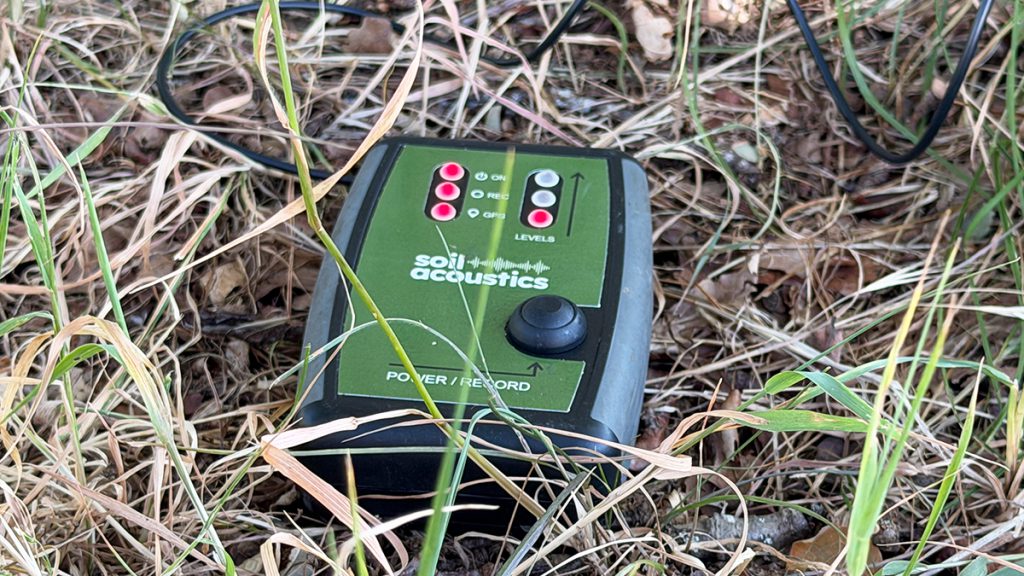
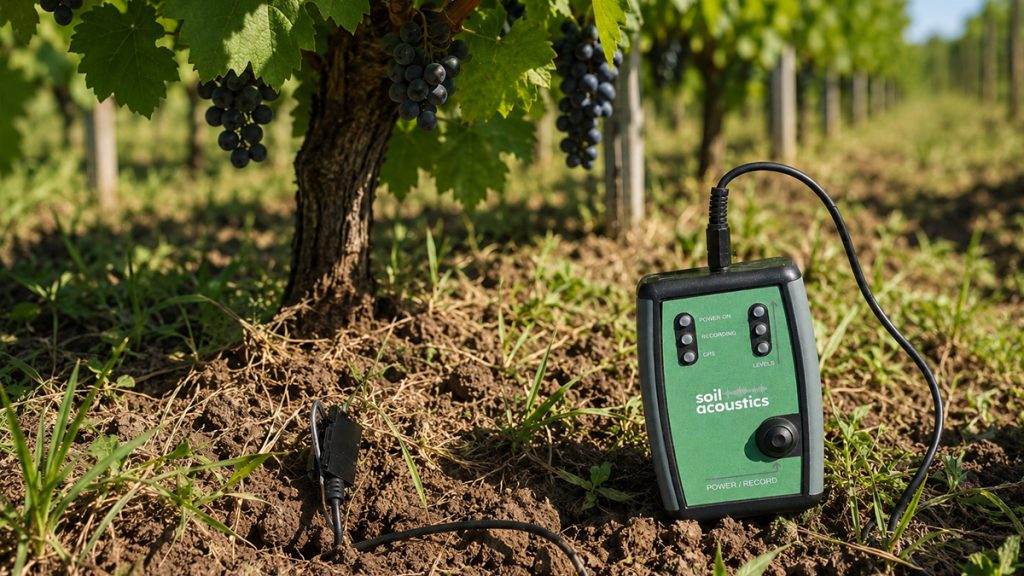
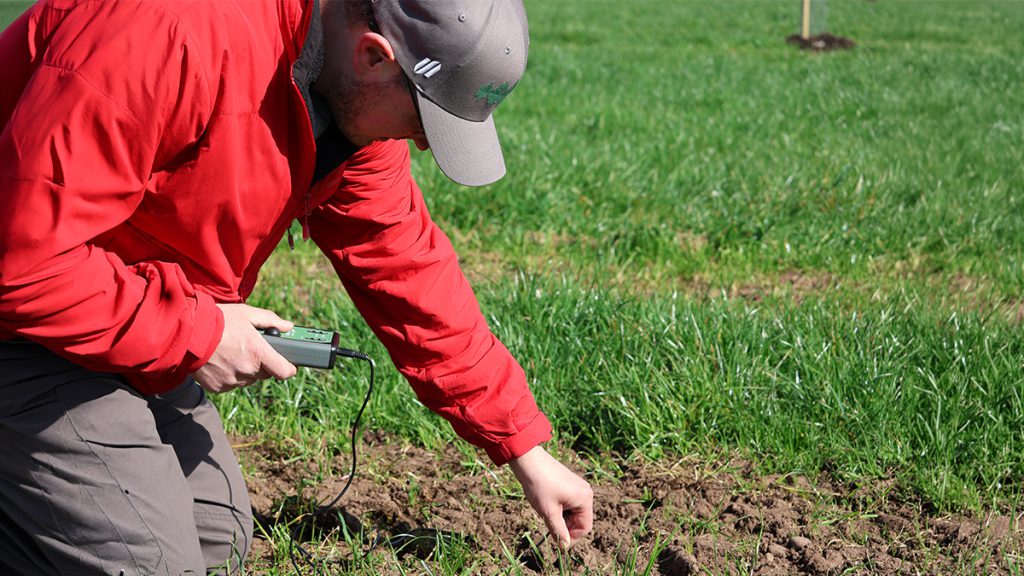
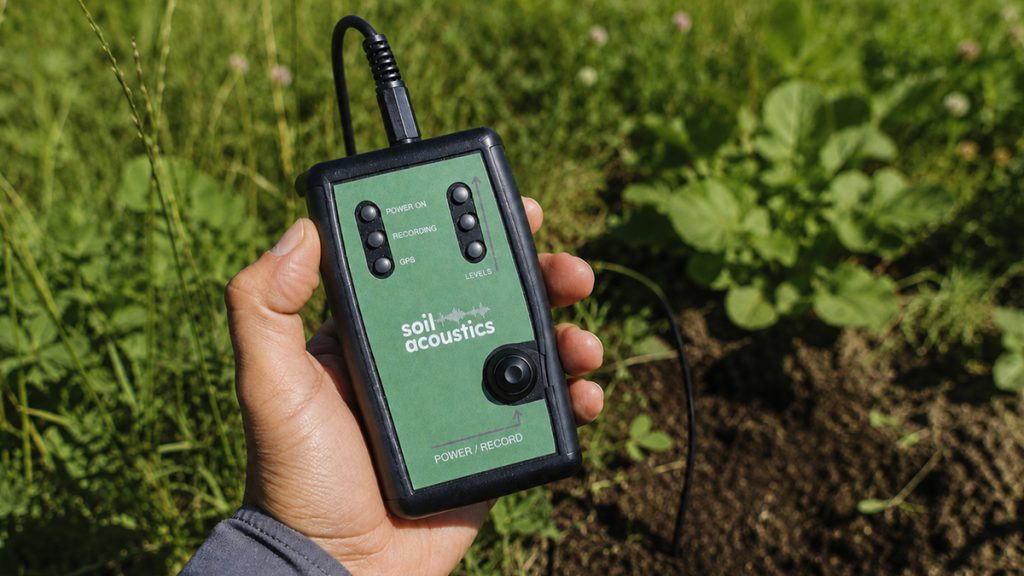
The featured article, “Soil Ecoacoustics: Listening In to Soil Health”, written by our very own Andrew Baker and Karthik Ashok, explores the idea of “listening to the soil” as a way of understanding biodiversity and ecosystem function. It draws on outcomes from a DEFRA-funded programme led by the University of Warwick and and the team at our sister company, Baker Consultants, which has generated the world’s largest curated dataset of soil sound recordings and supported the development of the hand-held soil listening device, the Soil Acoustic Meter (SAM).
Soil ecoacoustics extends established ecoacoustic principles used in above-ground ecology into the soil environment. By capturing the acoustic activity of organisms such as earthworms, beetle larvae, ants, and other invertebrates, it is possible to generate soundscapes that reflect levels of biological activity and soil health. These recordings can then be analysed using acoustic indices to provide structured, comparable insights across different sites and conditions.
The article also outlines how this method is being used in practice, offering a scalable and non-invasive way to assess soil ecosystems over time and across landscapes. It highlights the potential for acoustic monitoring to complement existing soil assessment techniques and support more informed land management decisions.
The full issue of CIEEM In Practice is now available for members to access. And, if you’re not a member, you can view our full article here.
We will continue to share developments as soil acoustics evolves and its applications expand across conservation, agriculture and environmental monitoring. As understanding of soil as a living, dynamic system grows, acoustic approaches are becoming an increasingly valuable tool for revealing the hidden biological activity that underpins soil health and ecosystem function.
Contact Us
If you’d like to arrange a time to chat with us at Cereals 2026 or have any questions about our Soil Acoustic Meter and how it can support your land management practices, get in touch with us via info@soilacoustics.com or call +44 (0)1629 593 958.