We’re introducing a new series of updates and sharing what the team has been up to across conferences, research projects and wider developments in ecoacoustics, biodiversity and soil science.
To begin, we’re looking back at Karthik’s recent trip to Peru earlier this year, along with a snapshot of his current activities closer to home in London.
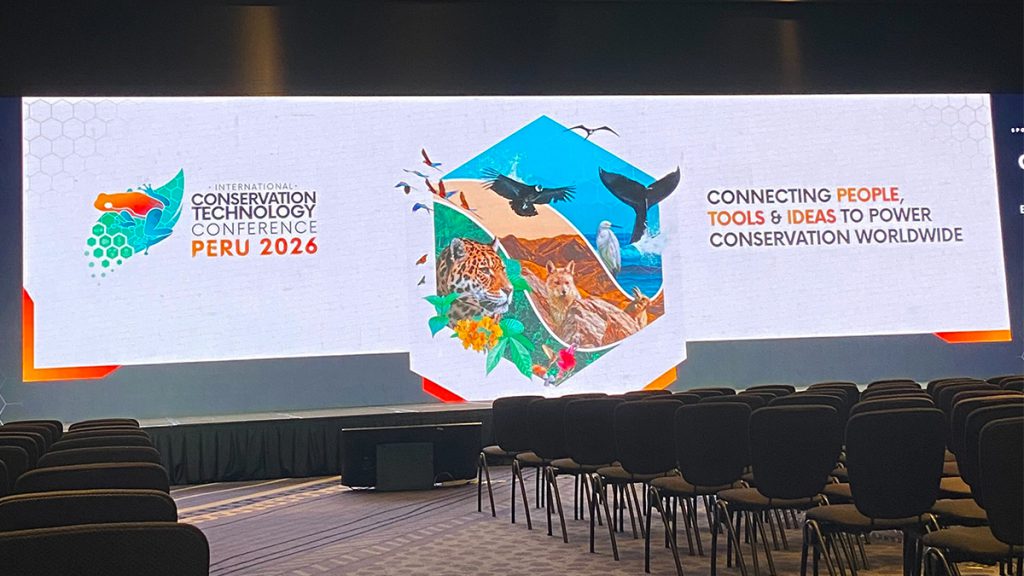
The International Conservation Technology Conference 2026
The year got off to an exciting start for Karthik, Acoustic Data Scientist at Soil Acoustics, with a trip to South America for the International Conservation Technology Conference, hosted by Wildlabs in Peru.
Karthik was invited to present at the February event, speaking to an audience of researchers and technologists about the growing role of soil acoustics in conservation technology and bioacoustics.
While bioacoustics above ground has become a more established discipline in recent years, soil acoustics is still emerging within the broader conservation space. This made the conference an important opportunity to introduce the concept to an international, highly engaged technical audience and explore where it fits within ongoing research and innovation.
Outside of the conference sessions, Karthik also had the chance to explore more of the region, including field visits along the Peruvian coastline where he spotted Peruvian Boobies and Inca Terns, a memorable contrast to the conference setting and a highlight of the trip.
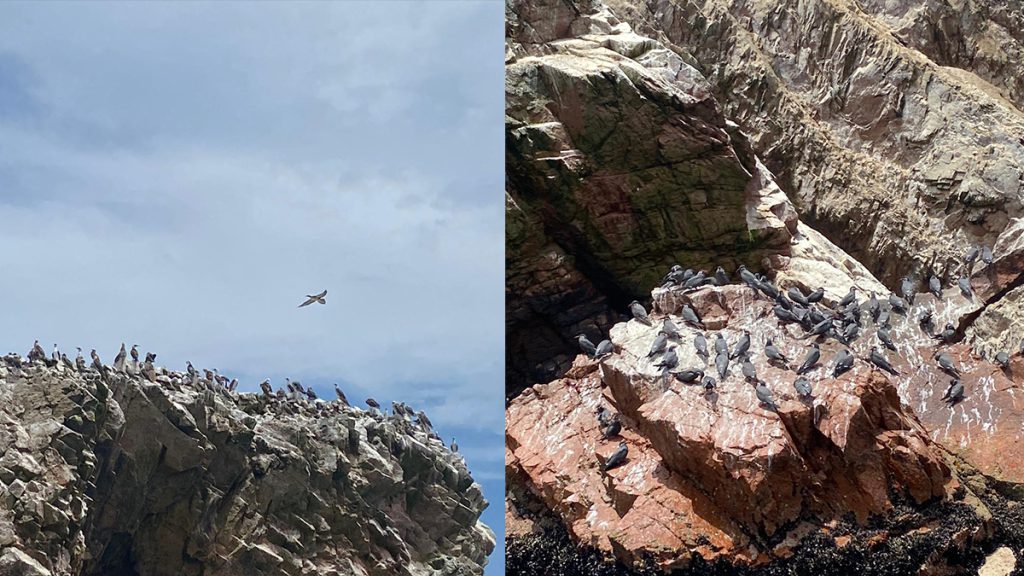
He reflected positively on the discussions throughout the event, noting that many of the most valuable exchanges happened after his talk during informal conversations with attendees.
Karthik shared several standout takeaways from the event, “The workshops on acoustic technology really highlighted how quickly the field is evolving, from sensor development through to advanced analytical techniques, the pace of innovation is impressive. A big thank you to Wildlife Acoustics, Kitzes’ Lab, Joe Nash and everyone involved in facilitating such valuable sessions and discussions.
It was particularly encouraging to see strong interest in open-source and underrepresented technologies. The Mothbox project stood out as a brilliant example of accessible, low-cost biodiversity monitoring that helps put effective tools into more hands.
Overall, I left feeling even more convinced that listening, whether to forests, soils or entire ecosystems, remains one of the most underutilised tools we have in conservation. I’m looking forward to bringing these ideas into my own work.”
Looking ahead: Nature Tech Unconference, London
More recently, Karthik attended the Nature Tech Unconference at the London School of Economics and Political Science (14–15 May), where researchers, investors, practitioners and policymakers came together to explore some of the sector’s biggest open questions.
Rather than following a traditional conference format, the event was structured around participant-led discussions, with 32 sessions shaped directly by attendees on the day. This open approach encouraged deeper exploration of emerging challenges and opportunities across nature technology.
With organisations such as Sand River, HCV Network, Biodiversify, Climate Policy Radar, Vizzuality, Nature Data Lab, Gentian, BeeOdiversity and NatureMetrics taking part, the event brought together a wide range of perspectives on where the field is heading.
For Karthik, the highlight was the breadth of ideas being shared, and, in his words, “plenty of useful disagreement”. If you were there, he’d be glad to connect and continue the conversation.
Contact Us
We’re passionate about transforming soil health monitoring. If you’d like to learn more about this news or the Soil Acoustic Meter (SAM) and how it can support your land management practices, get in touch with us via info@soilacoustics.com or call +44 (0)1629 593 958.